
KAIYISI develops high-performance cold storage doors to realize safe, rapid and efficient cargo transfer between freezer rooms, cold storage warehouses, refrigerated zones, loading docks, storage areas and automated material handling systems.
View Case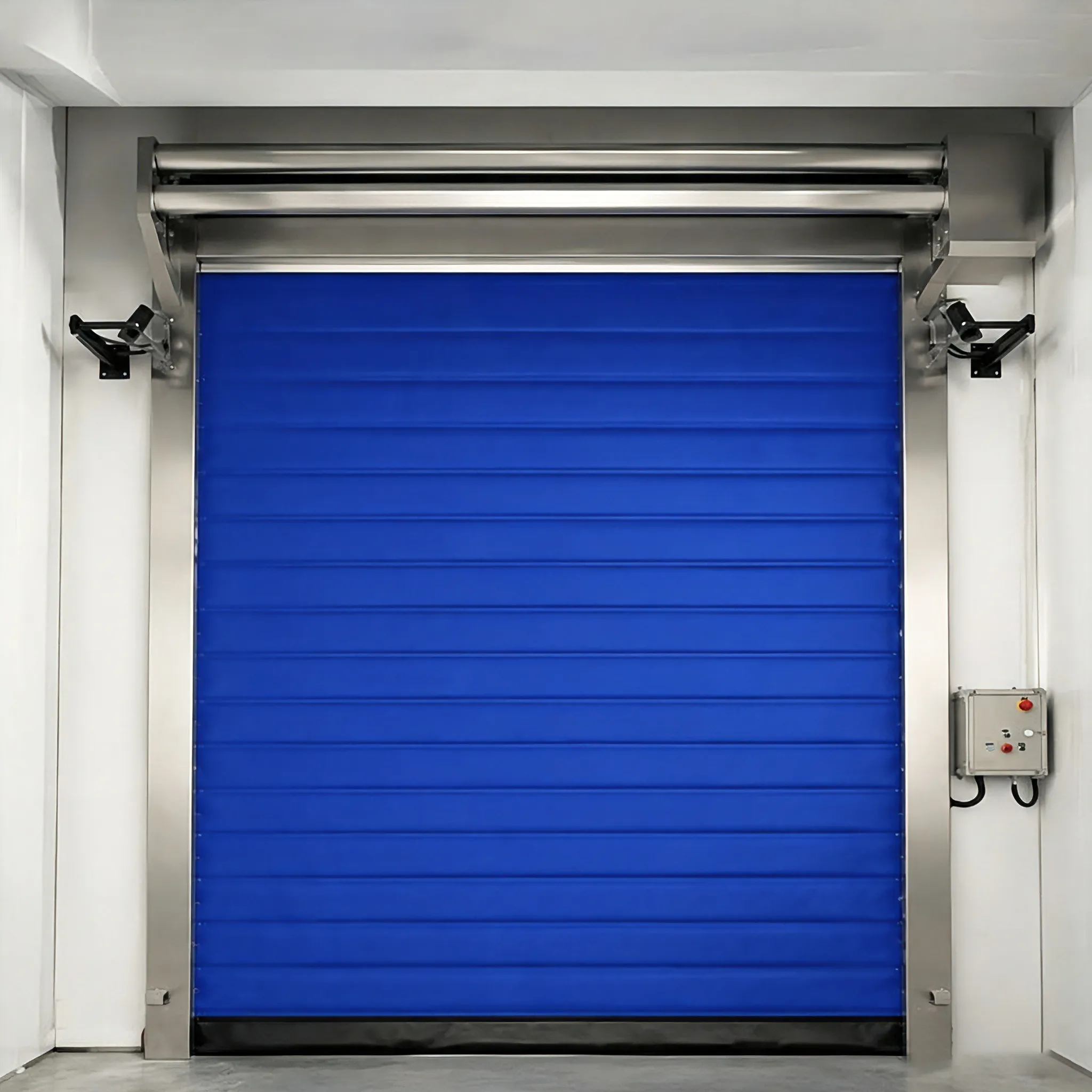
Cold storage doors, freezer doors, and insulated cold room doors help reduce warm air exchange, condensation, frost, and energy loss in freezer rooms, cooler areas, and refrigerated logistics corridors.
High speed freezer doors support forklifts, AGVs, conveyors, and personnel with rapid opening, smooth operation, intelligent sensing, and automation integration for high-frequency cold chain traffic.
Cold storage facilities face intense logistics traffic while maintaining strict temperature and hygiene standards. Traditional doors create three critical issues: slow operation causes forklift queues and extended door-open time, poor sealing allows warm air and moisture infiltration, and limited automation demands manual intervention. These inefficiencies lead to higher energy costs, frost accumulation on evaporators, and increased product spoilage risk during loading and unloading.
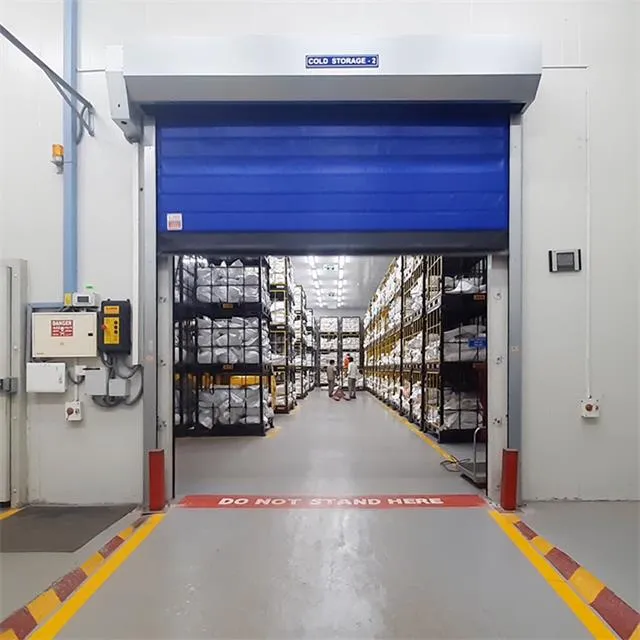
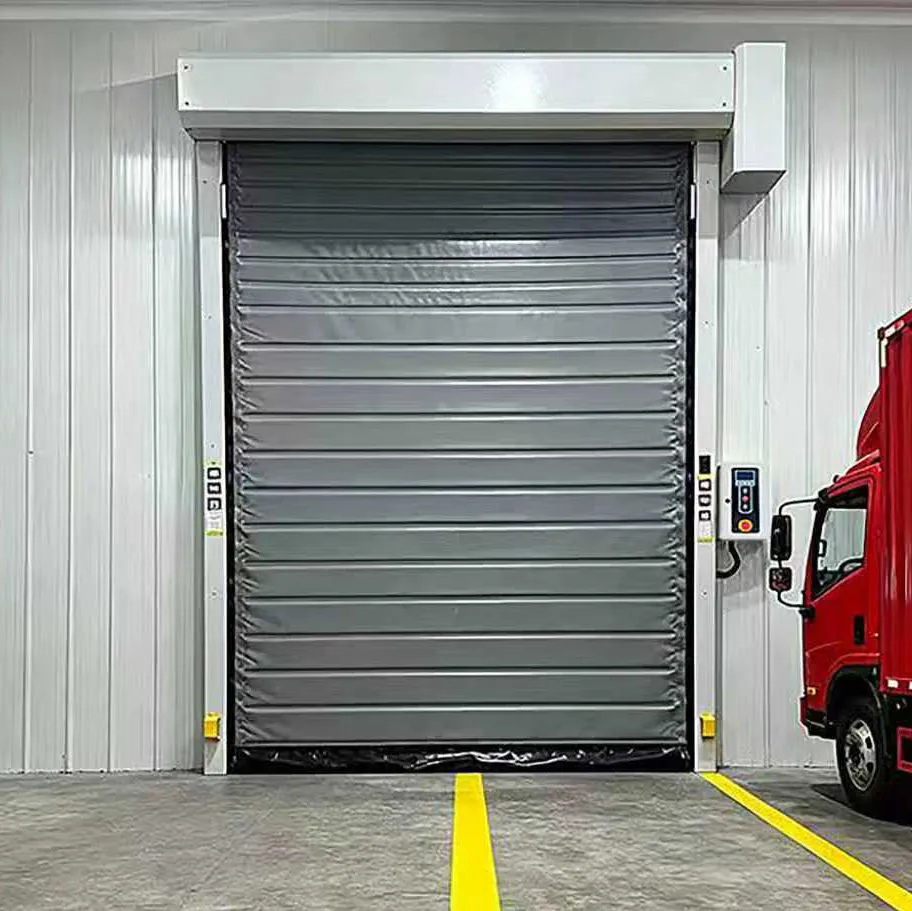
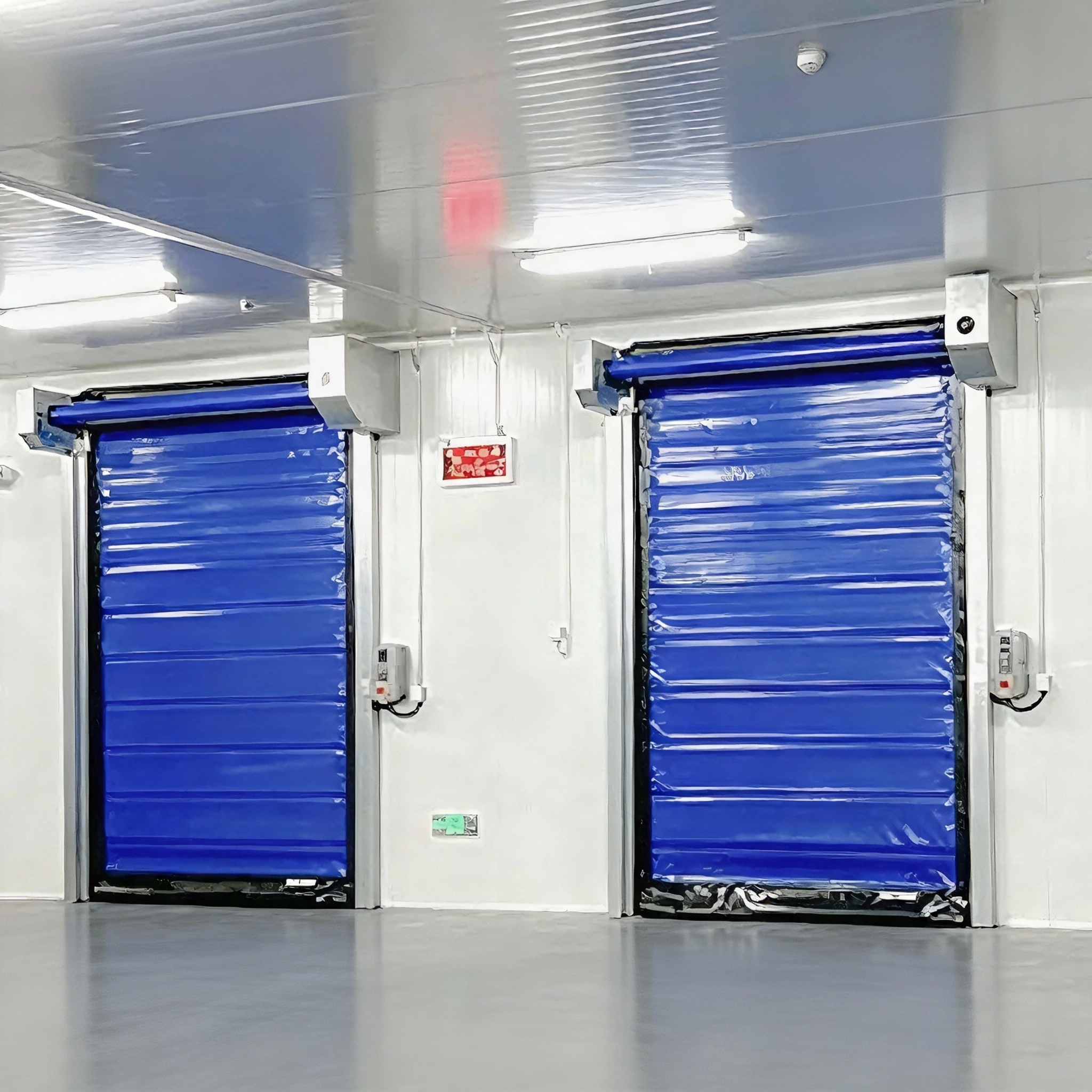
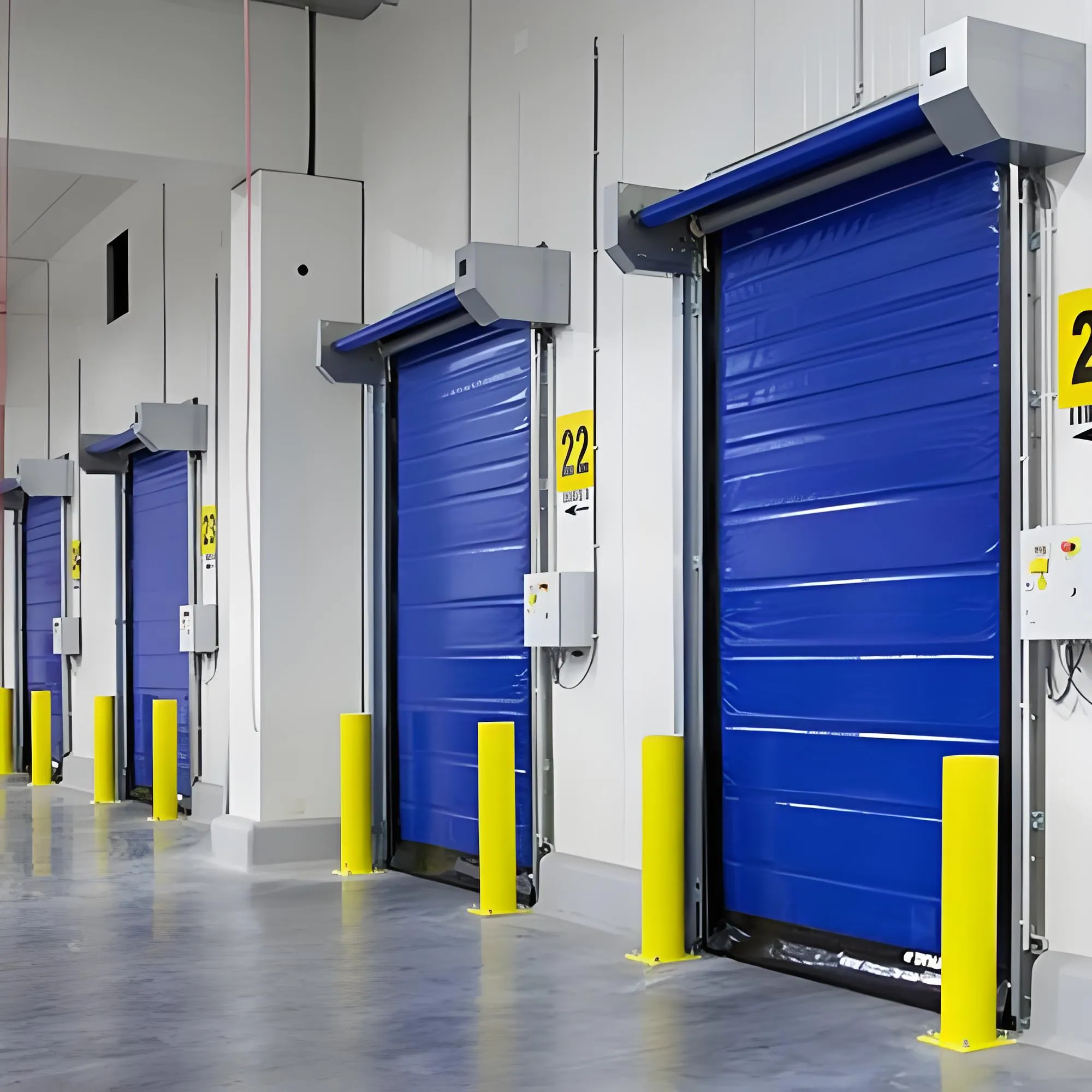
KAIYISI equipped the cold chain facility with high-speed insulated doors featuring servo motor drives (0.6–1.6 m/s opening speed), multi-layer EPDM sealing, and automatic control via radar or ground loops. The solution reduced door-open time by over 60%, minimized cold air loss, and integrated seamlessly with the facility's logistics system – ensuring uninterrupted, temperature-stable operations in freezing environments as low as -35°C.
The KAIYISI high-speed door solution cut energy consumption by approximately 30%, eliminated frost buildup issues, and shortened loading cycle times by 25%. The facility achieved safer, cleaner, and more efficient cold chain logistics – all with minimal maintenance requirements.
Request Automation Solution



As an industrial door manufacturer and cold storage doors manufacturer, KAIYISI provides complete cold storage door solutions for freezer rooms, refrigerated logistics, food processing plants, cooler areas, cool room doors, and warehouse cold room door projects. We offer customized design, manufacturing, installation support, automation integration, and reliable after-sales service for cold chain operation needs.
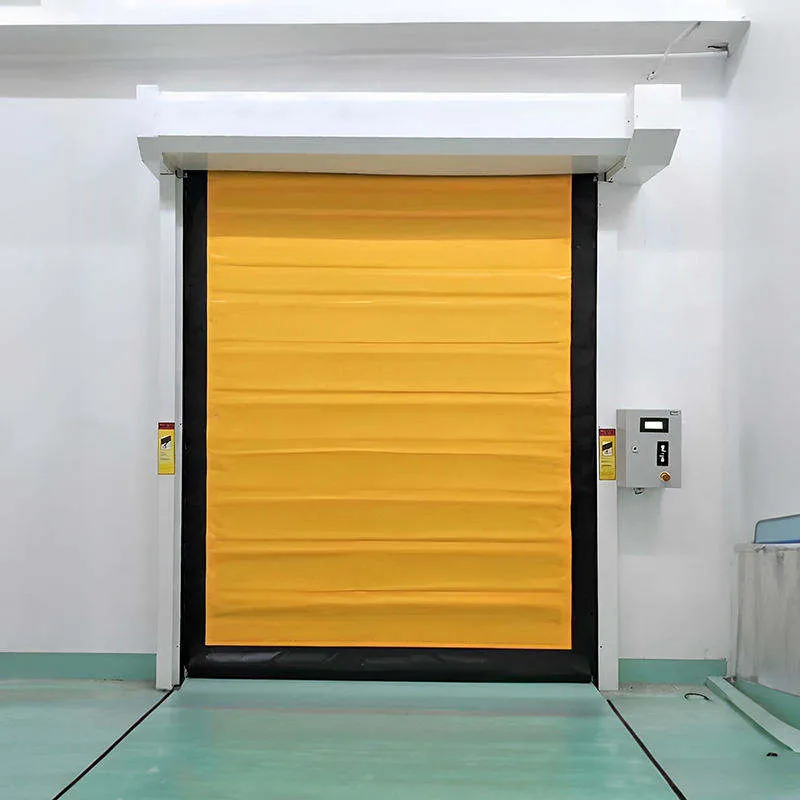
Adopting zipper sealed guide rail construction, this rapid door fits cold storage environments above 0°C, delivering economical and efficient sealing effects for cold room applications.
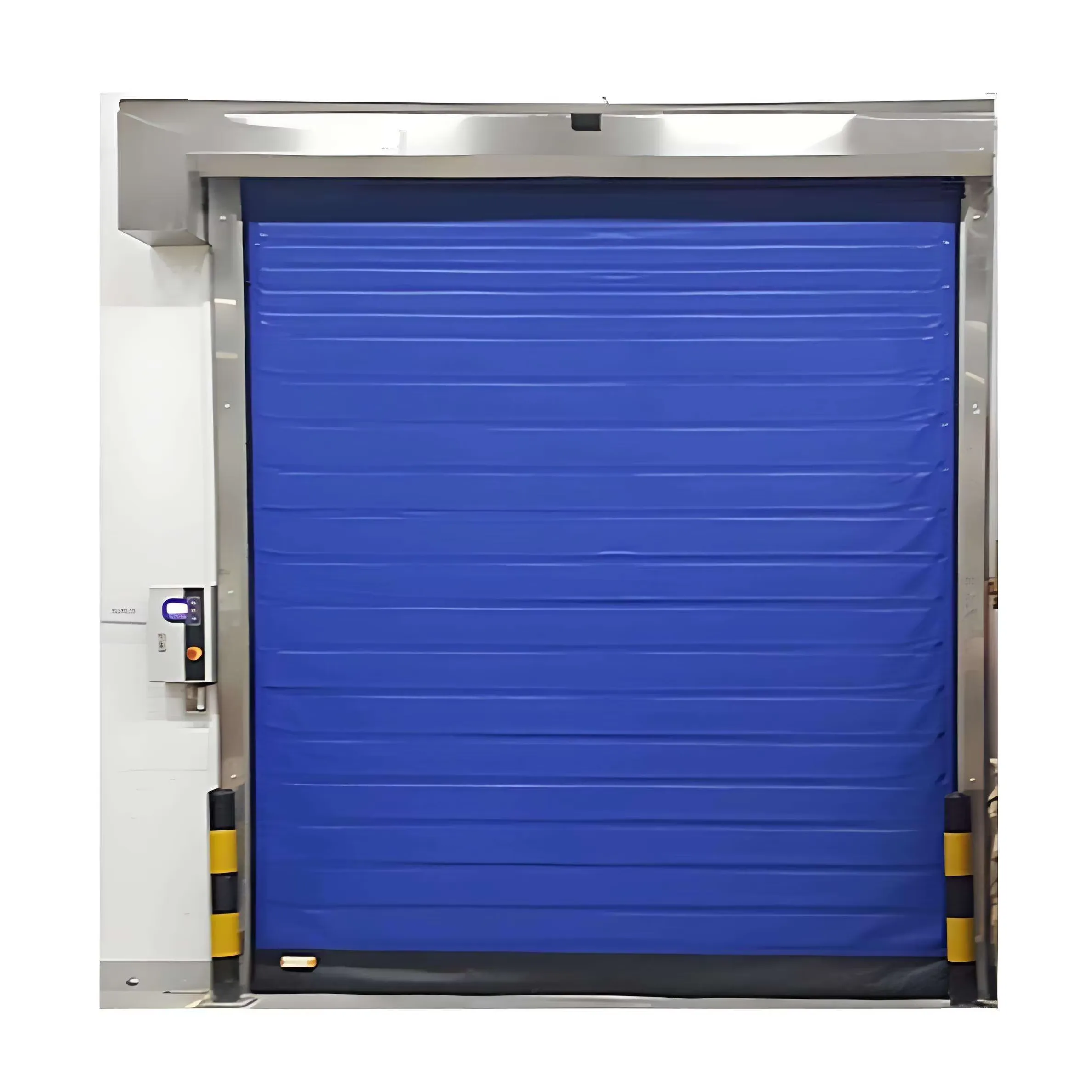
Equipped with brush sealed rail system, designed for cold storage working conditions over 0°C, featuring stable sealing performance and great practicality for daily logistics access.
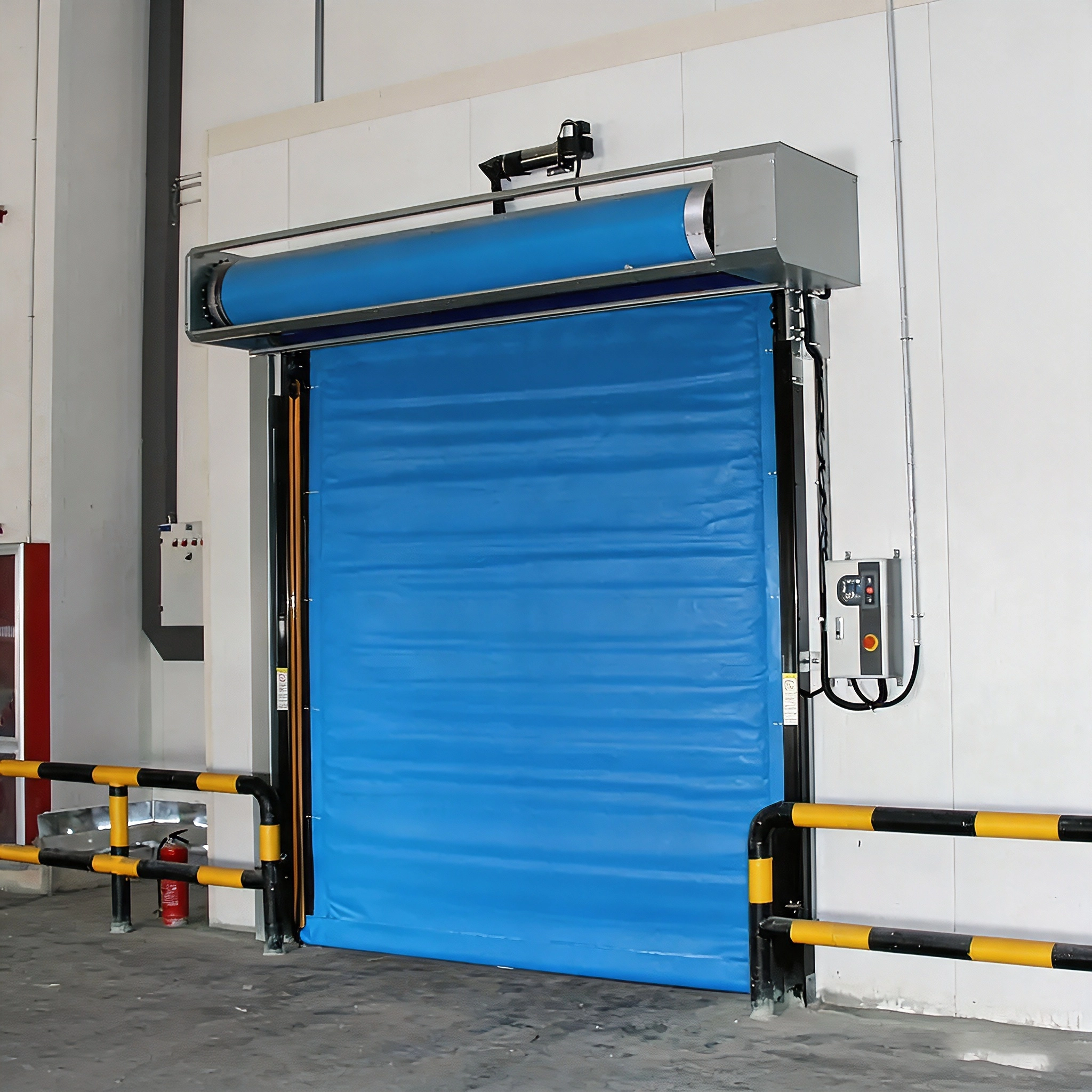
Dual roller setup forms an air insulation layer between two door curtains, greatly enhancing heat insulation performance. Capable of stable operation inside freezers as low as -30°C.
KAIYISI cold storage doors are designed with safety features including photoelectric sensors, flexible bottom safety edge, motion detection, automatic reversal, and emergency stop systems to support safe and efficient cold chain operations.
How It Works: Monitors moving objects including personnel, vehicles and material handling equipment. Once movement is detected, the door opens automatically. Pallet truck approaches the door, sensor triggers automatic opening.
Know More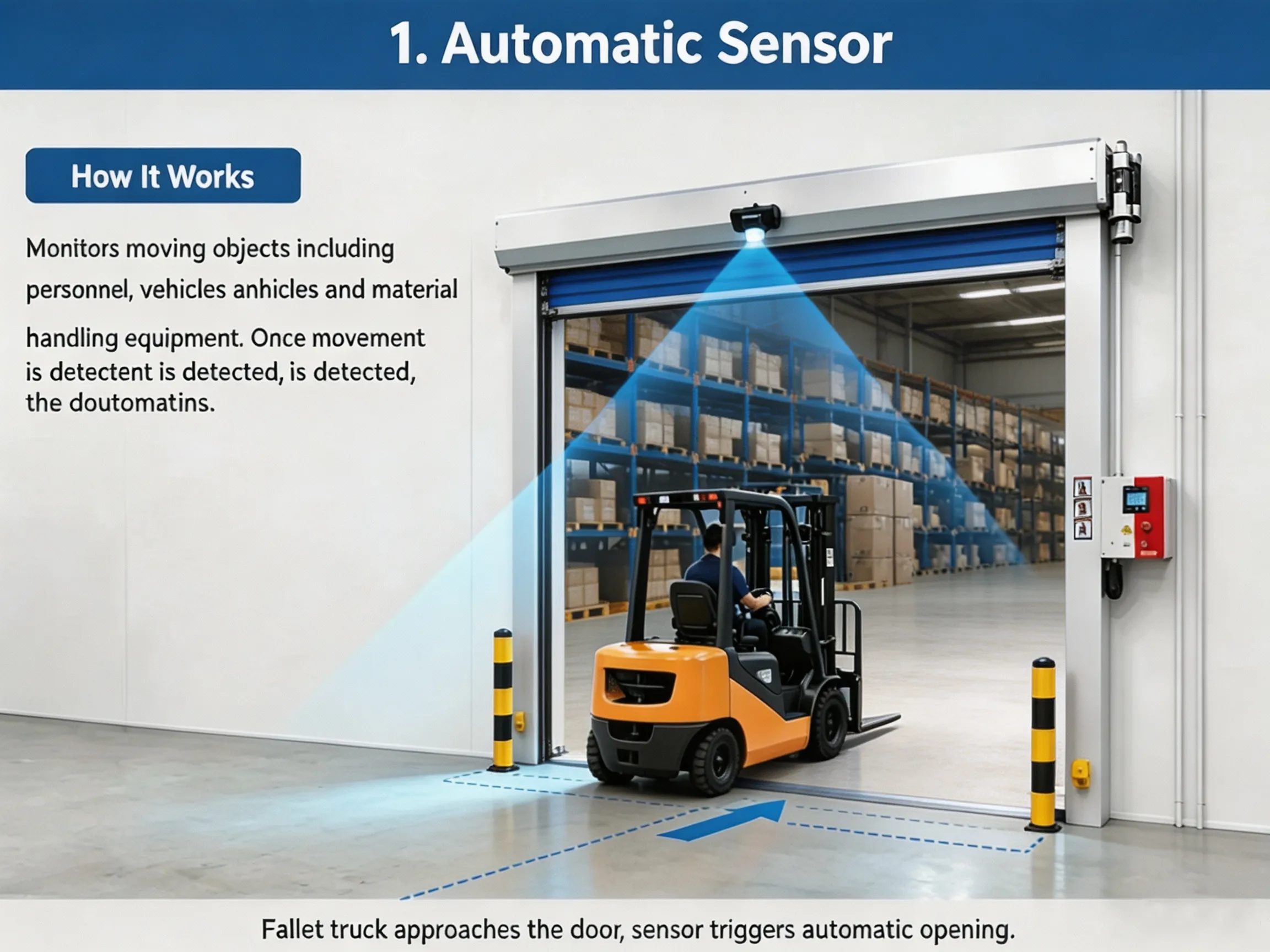
If the door contacts an obstacle during closing, the flexible safety edge absorbs impact and triggers the door to automatically reverse.
Know More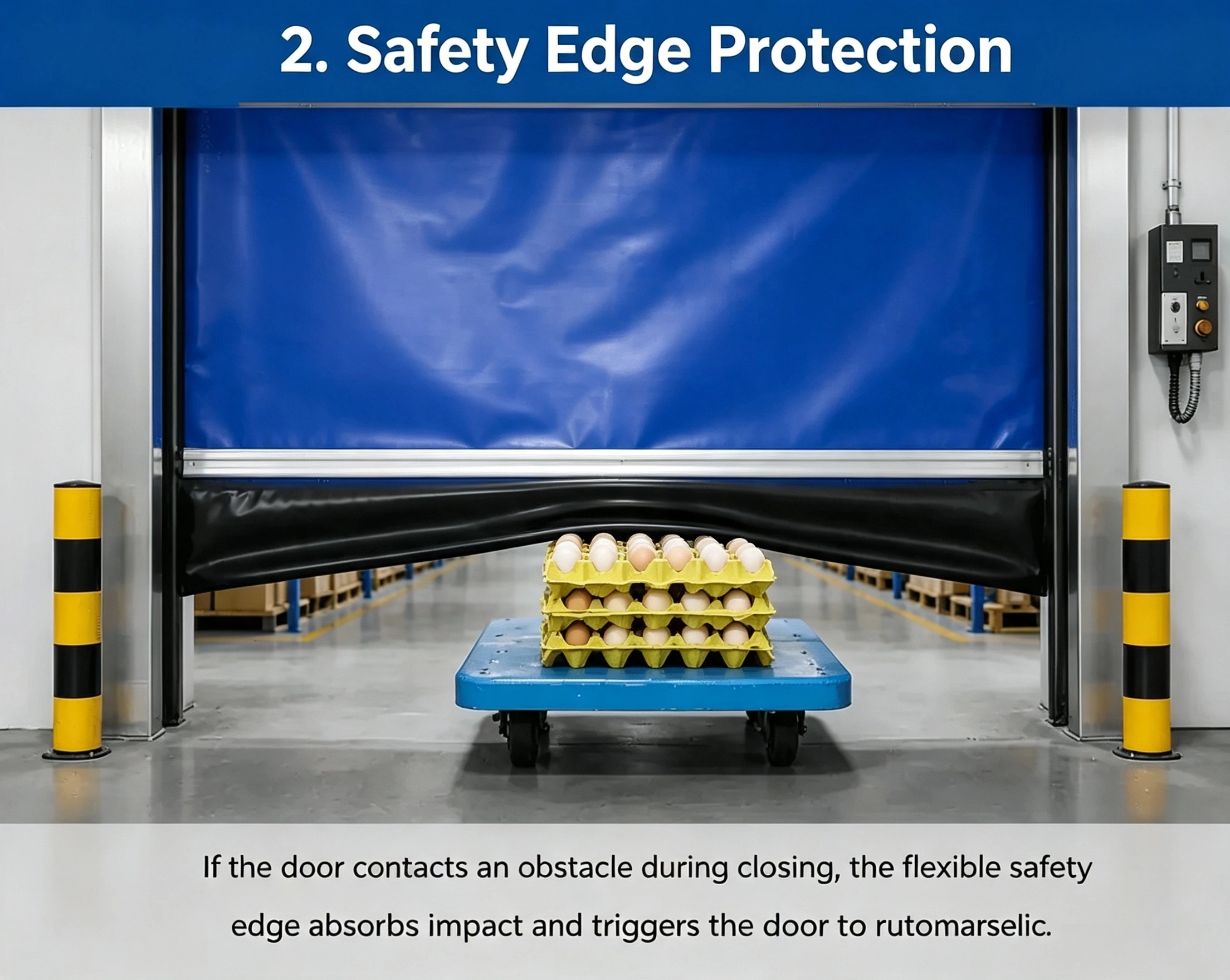
Continuously monitors the entire doorway before and during closing. The door will not close if people, pallet trucks or goods stay in the detection zone. Once an object is detected, the door stops, reverses and keeps open.
Know More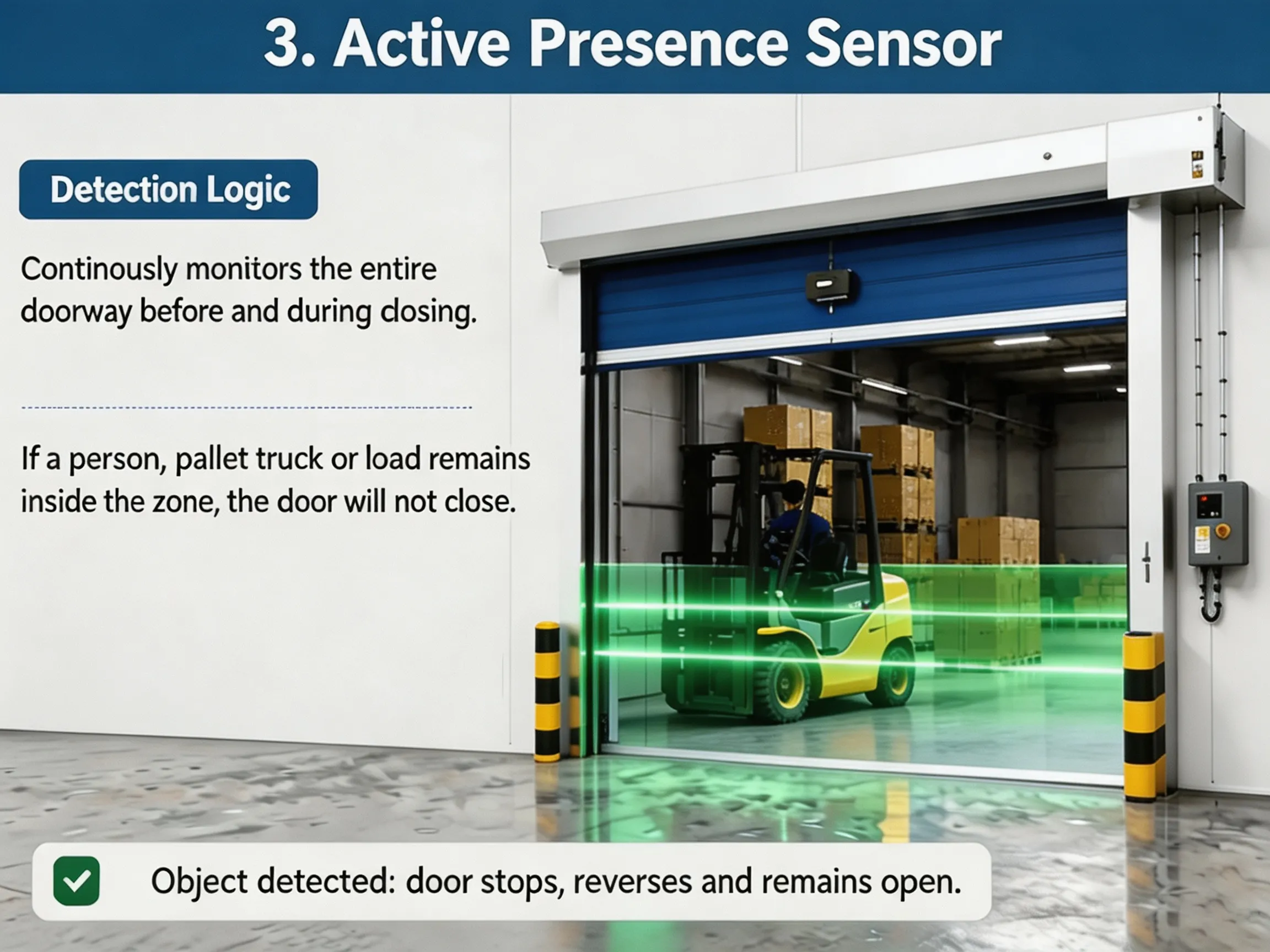
Tell us your opening size, traffic type, forklift route, temperature requirement, loading method, and automation needs. KAIYISI engineers can recommend cold storage door solutions, insulated doors for cold rooms, or the right door for cold room access in your freezer room, cooler area, warehouse cold room door, or refrigerated logistics project.
Contact EngineersThe best freezer door solution depends on your opening size, traffic frequency, working temperature, insulation grade, and whether forklifts, pallet trucks or automated logistics systems are involved. Common options include high-speed roll-up freezer doors, folding cold storage doors and insulated sliding doors.
Faster opening and closing speeds minimize warm air infiltration, reduce frost build-up, maintain stable indoor temperature and keep cold chain logistics running smoothly. High-performance high speed freezer doors directly improve energy efficiency and workflow continuity.
Yes. KAIYISI cold storage doors can be fully integrated with radar sensors, loop detectors, PLC control systems, conveyor lines, AGV fleets and intelligent warehouse automation to achieve fully unmanned access in cold chain facilities.
Insulated cooler doors are designed for chilled environments above 0°C with moderate sealing needs, while freezer doors are engineered for sub-zero conditions down to -25°C or even -30°C, requiring heavier insulation, stronger sealing structures and anti-frost features.
When comparing cold storage door manufacturers, you should evaluate their sealing technology, low-temperature reliability, safety devices, control system options, after-sales installation support and proven track record in large-scale cold chain industrial projects.
To get an accurate quotation, please prepare your exact opening dimensions, working temperature range, application scenario, daily traffic frequency, required insulation level, preferred control method and any special safety or automation requirements.
Zipper-sealed doors provide tighter airtight performance with interlocking zipper tracks, ideal for higher-grade cold storage above 0°C. Brush-sealed doors offer practical and durable sealing with lower maintenance cost, suitable for medium-frequency chilled warehouse access.
Absolutely. High speed cold storage doors significantly cut down cold air loss during frequent opening and closing cycles. Combined with proper sealing structures, they lower refrigeration system workload and deliver measurable long-term energy savings for cold chain warehouses.